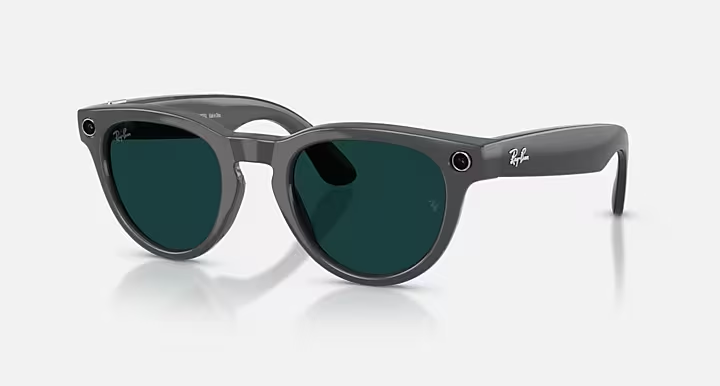
Ray-Ban Meta Gen 2
Ray-Ban Meta Gen 2 combines a traditional Ray-Ban design with a 12 MP camera, open-ear audio, Meta AI and hands-free controls. Gen 2 adds improved video capture and up to 8 hours of moderate-use battery life.
AI glasses can combine voice assistants, cameras, microphones, open-ear audio and hands-free controls in a glasses-sized device. The right choice depends on which features matter most to you.

Ray-Ban Meta Gen 2 combines a traditional Ray-Ban design with a 12 MP camera, open-ear audio, Meta AI and hands-free controls. Gen 2 adds improved video capture and up to 8 hours of moderate-use battery life.

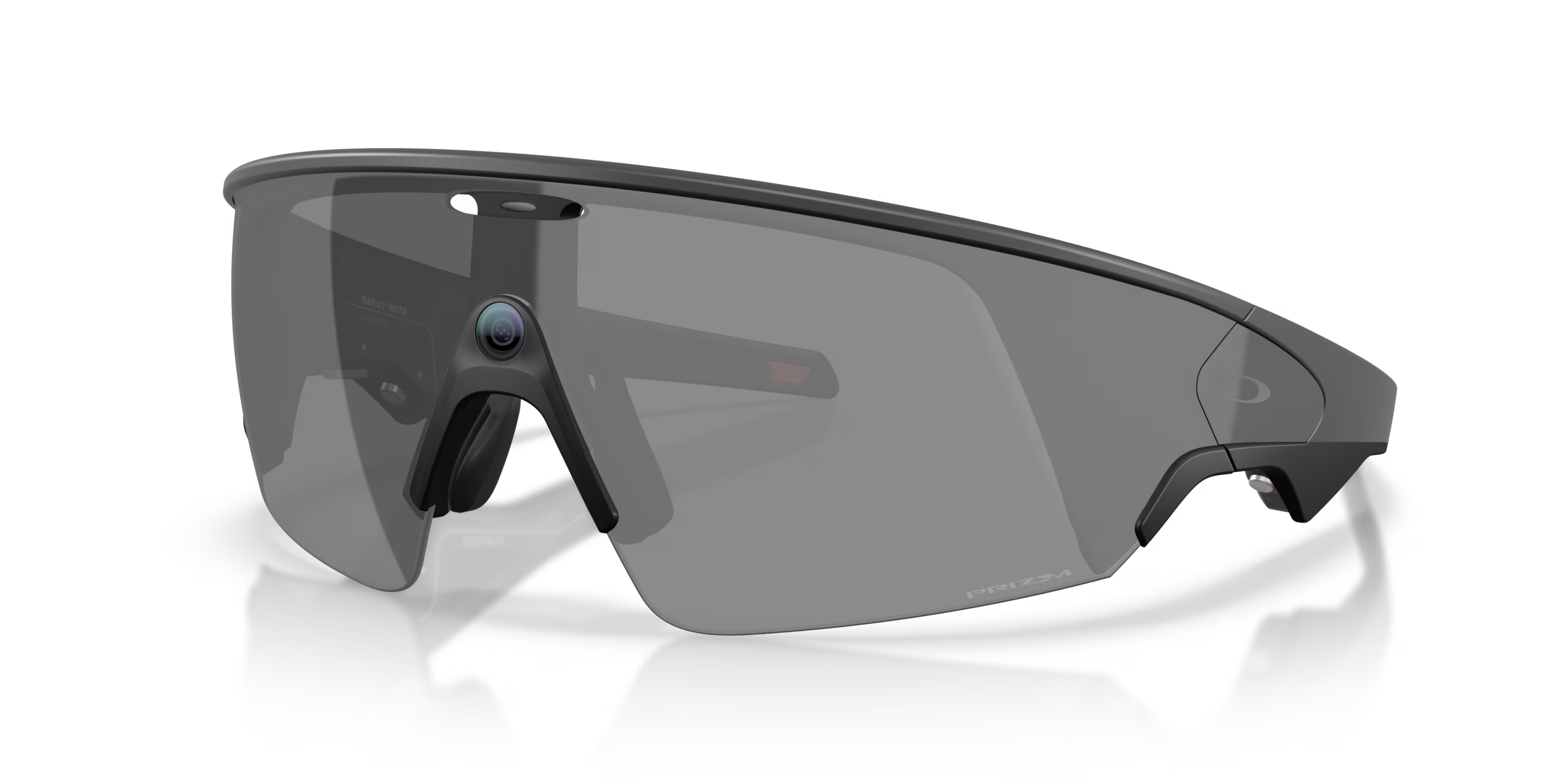
Oakley Meta Vanguard is a sport-focused AI smart glasses platform designed for training, outdoor activities and hands-free capture. It combines a 12 MP camera, open-ear audio, Meta AI, fitness integrations and a rugged IP67-rated design.

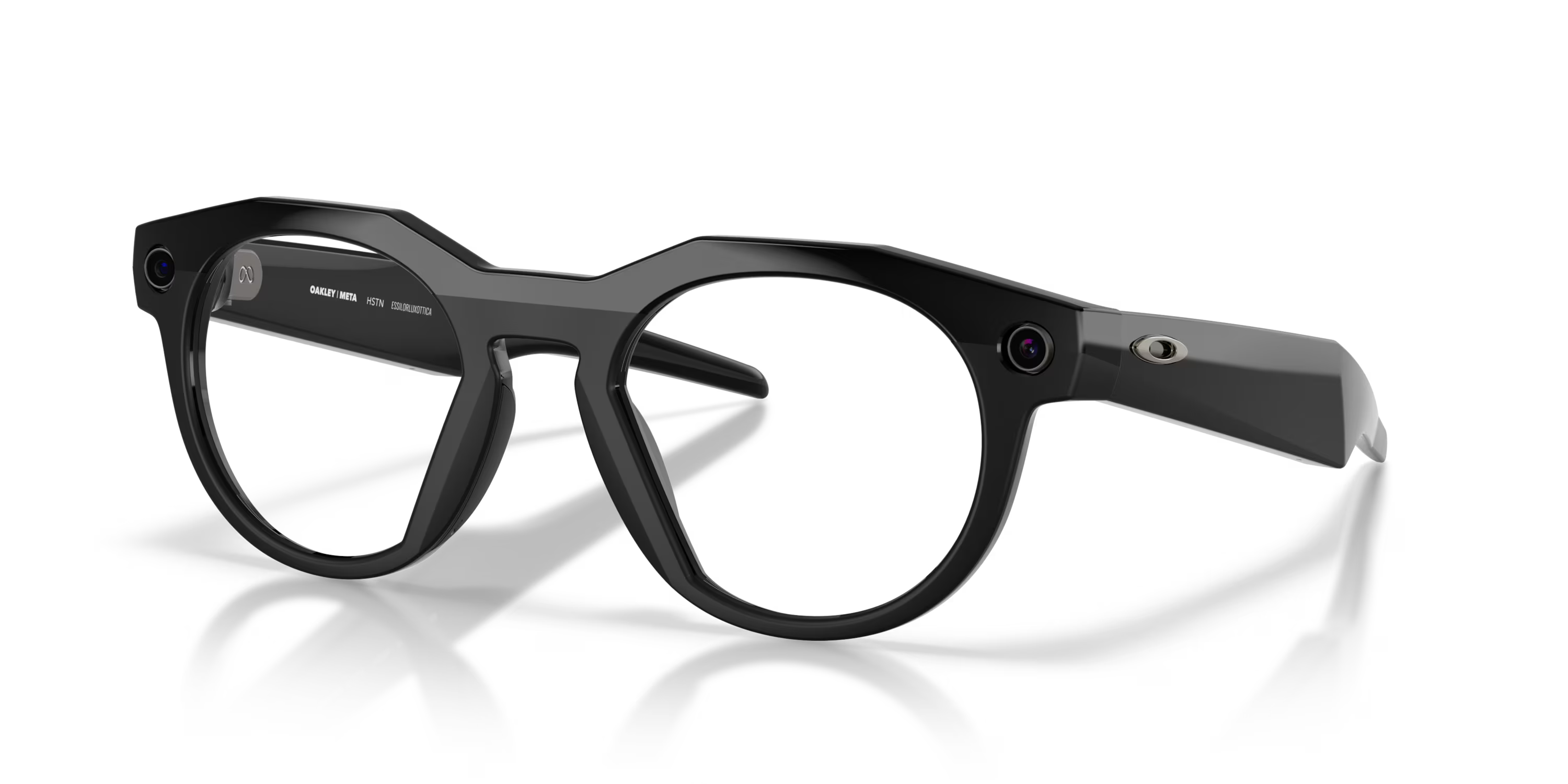
Oakley Meta HSTN combines Oakley's classic HSTN frame design with Meta AI, a 12 MP camera, open-ear audio and hands-free controls. It is designed as an everyday AI glasses option rather than a dedicated sports model.

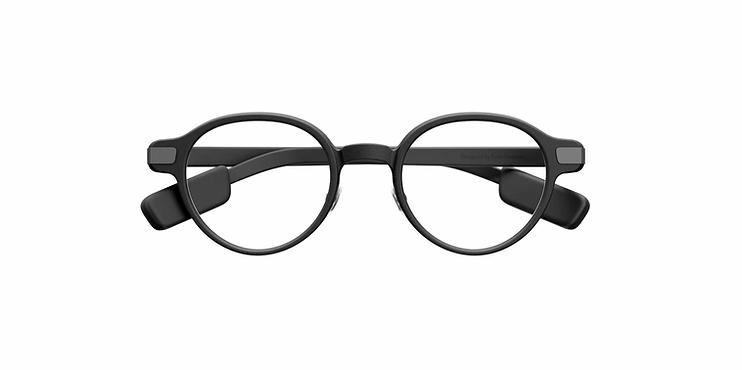
Even Realities G2 is a lightweight display smart glasses platform with binocular micro-LED displays, AI features, real-time translation, live captions, navigation, notifications and a built-in teleprompter. Unlike camera-based AI glasses, the G2 has no camera or speakers.

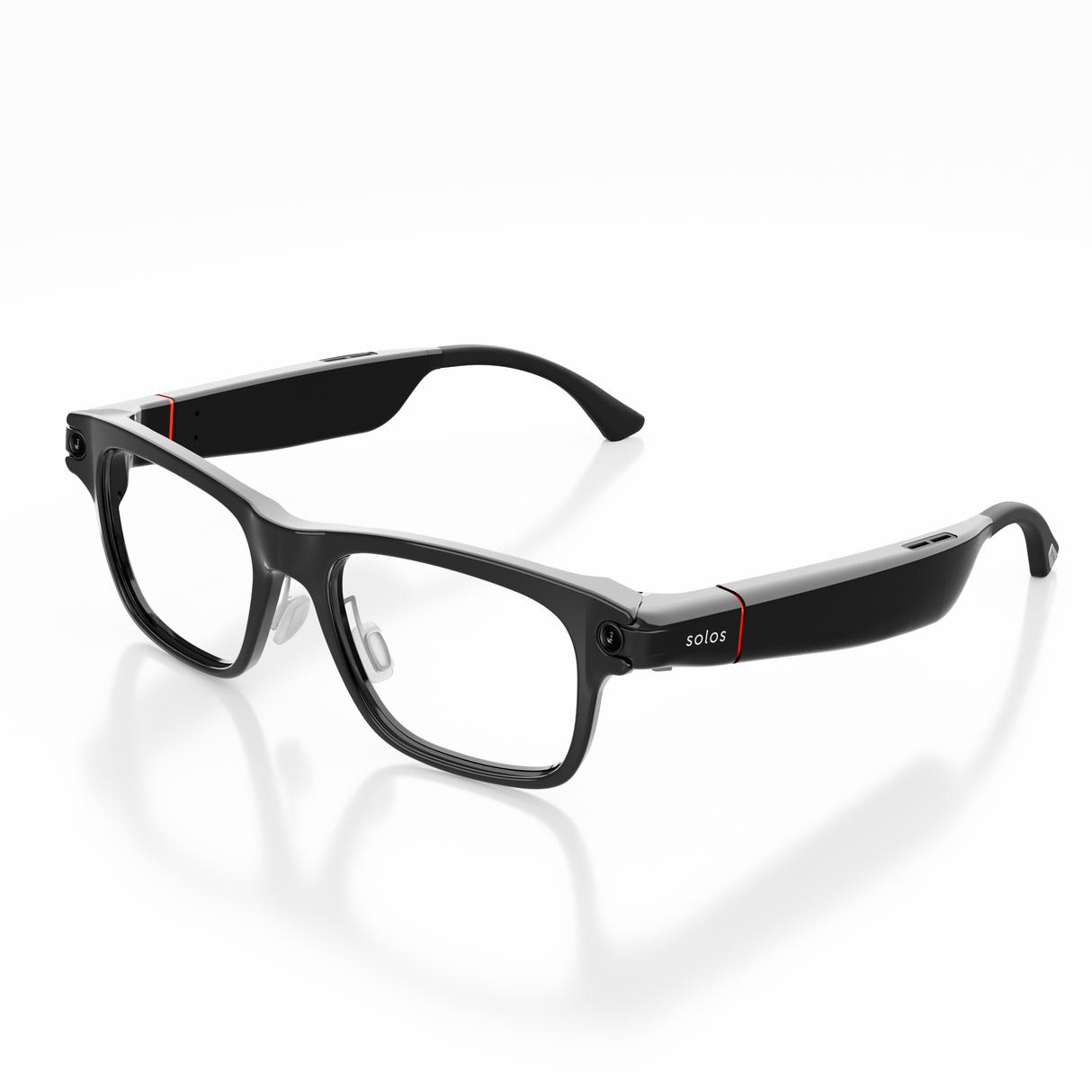
Solos AirGo V2 is a camera-equipped AI smart glasses platform with 16 MP photography, 2K video recording, AI applications, Bluetooth audio and hands-free controls. It supports iOS and Android and is available in multiple frame styles.
AI glasses are wearable devices that bring artificial intelligence features into a glasses form factor. Depending on the model, they can provide voice assistance, answer questions, recognize or describe what the camera sees, capture photos and video, play audio, handle calls and provide hands-free controls.
AI glasses can look similar to conventional eyewear, but the technology inside can vary considerably. Some models focus heavily on cameras and AI, while others combine AI capabilities with displays or other smart features.
These are some of the most important features to consider when comparing AI smart glasses.
Look at what AI features are available and how naturally you can interact with the assistant using voice or other controls.
Camera resolution and video capabilities matter if you want to capture moments from a first-person perspective.
Open-ear speakers can provide music, calls and assistant responses while allowing you to remain aware of your surroundings.
Microphone quality affects calls, voice commands and interactions with AI assistants.
Consider both the glasses' operating time and whether a charging case provides additional power when you're away from an outlet.
AI glasses are designed for frequent use, so weight, frame design, fit and prescription options can all matter.
AI glasses and AR glasses are related but serve different primary purposes. AI glasses often emphasize cameras, audio, voice assistants and hands-free interaction. AR glasses use displays to place visual information or virtual screens in your field of view.
Some smart glasses combine elements of both categories. Before buying, consider whether you primarily want an AI assistant and camera or a visual display for gaming, entertainment and productivity.
Explore AR & Display Glasses →AI glasses can be useful if you want to interact with an assistant without reaching for your phone.
Camera-equipped glasses can provide a convenient way to capture hands-free photos and video from your perspective.
Open-ear audio can provide music, calls and assistant responses without covering your ears like traditional headphones.
Many AI glasses are designed to resemble conventional eyewear, making them suitable for people who want smart features without a headset-style design.
Depending on the model, AI glasses can provide voice assistance, answer questions, capture photos and video, play audio, handle calls and provide hands-free controls.
Many AI glasses include cameras, but not every smart-glasses product does. Camera resolution and video capabilities vary between models.
Some AI glasses have displays, but many camera and AI-focused models do not. Display-focused products are generally designed around visual information and virtual screens.
Many AI glasses use a connected smartphone for setup, apps, internet connectivity or additional features. Compatibility requirements depend on the specific product.
No. AI glasses generally focus on artificial intelligence, cameras and audio, while AR glasses use displays to provide visual information or virtual screens. Some products combine features from both categories.
Not sure which pair fits your needs? Use our Smart Glasses Finder quiz to compare your budget, priorities and intended use against the products in our database.
Take the Smart Glasses Finder Quiz →