AR & Display Glasses

Compare AR Glasses

Explore display-focused smart glasses designed for gaming, movies, productivity and immersive entertainment. Compare screens, refresh rates, field of view, comfort and price.

Compare

AR glasses with built-in displays

These glasses use built-in displays to create a large virtual screen in front of you. They are particularly suited to gaming, watching movies and using larger virtual workspaces.

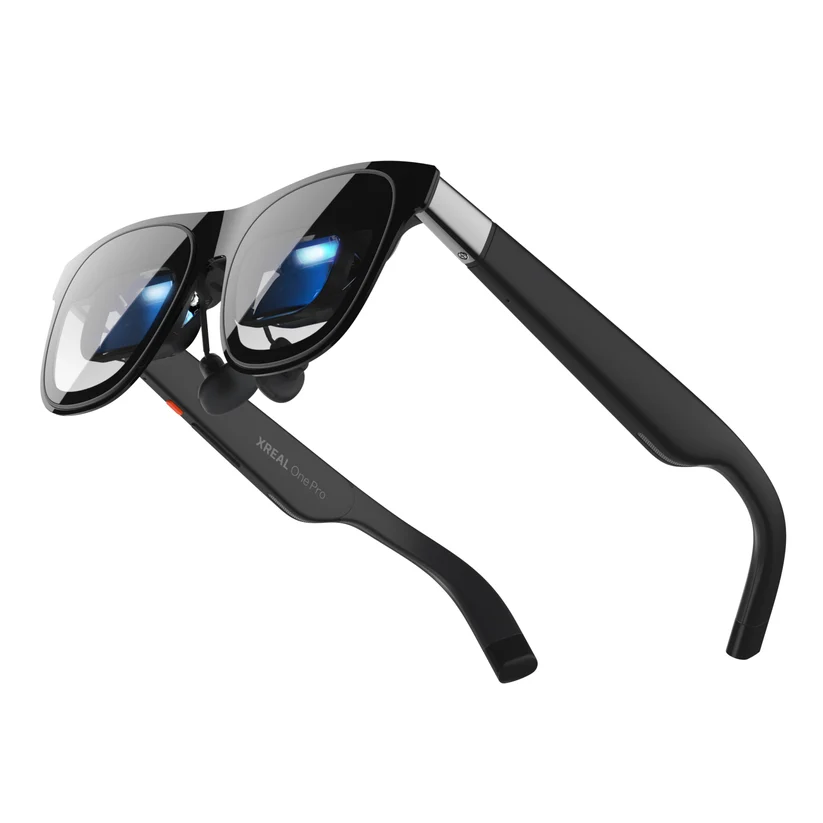
XREAL One Pro

XREAL

XREAL One Pro

$599 USD
9/10

Editorial score

XREAL One Pro is a high-end AR display headset designed to turn compatible devices into large virtual screens. It features XREAL's X1 spatial computing chip, native 3DoF tracking, a 57° field of view, a 1080p Micro-OLED display and Bose-tuned audio.

Display

1920 × 1080

Refresh Rate

Up to 120 Hz

Field of View

57°

Weight

87 g
Read Review →
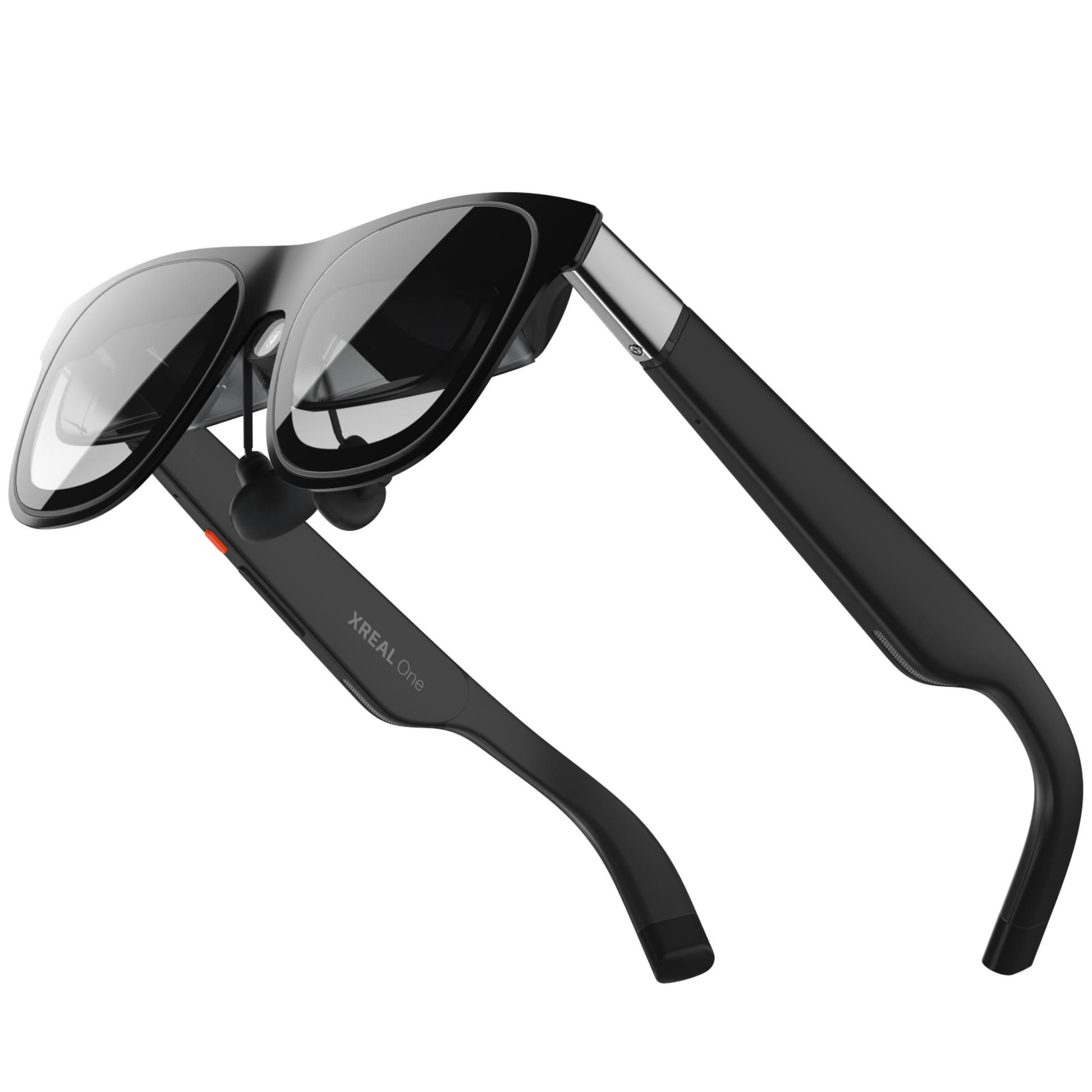
XREAL One

XREAL

XREAL One

$399 USD
9/10

Editorial score

XREAL One is an AR display glasses platform designed to provide a large virtual screen from compatible devices. Its X1 chip provides native 3DoF spatial tracking without requiring an external processing unit.

Display

1920 × 1080

Refresh Rate

Up to 120 Hz

Field of View

50°

Weight

84 g

Read Review →
VITURE Pro 2

VITURE

VITURE Pro 2

$299 USD
9/10

Editorial score

VITURE Pro 2 is an XR display glasses platform focused on sharp image quality, comfort and gaming. It features Sony Micro-OLED displays, 50° field of view, up to 120 Hz refresh rate, 1,600 nits perceived brightness and built-in adjustable diopters.

Display

1920 × 1080 per eye

Refresh Rate

Up to 120 Hz

Field of View

50°

Weight

63 g

Read Review →
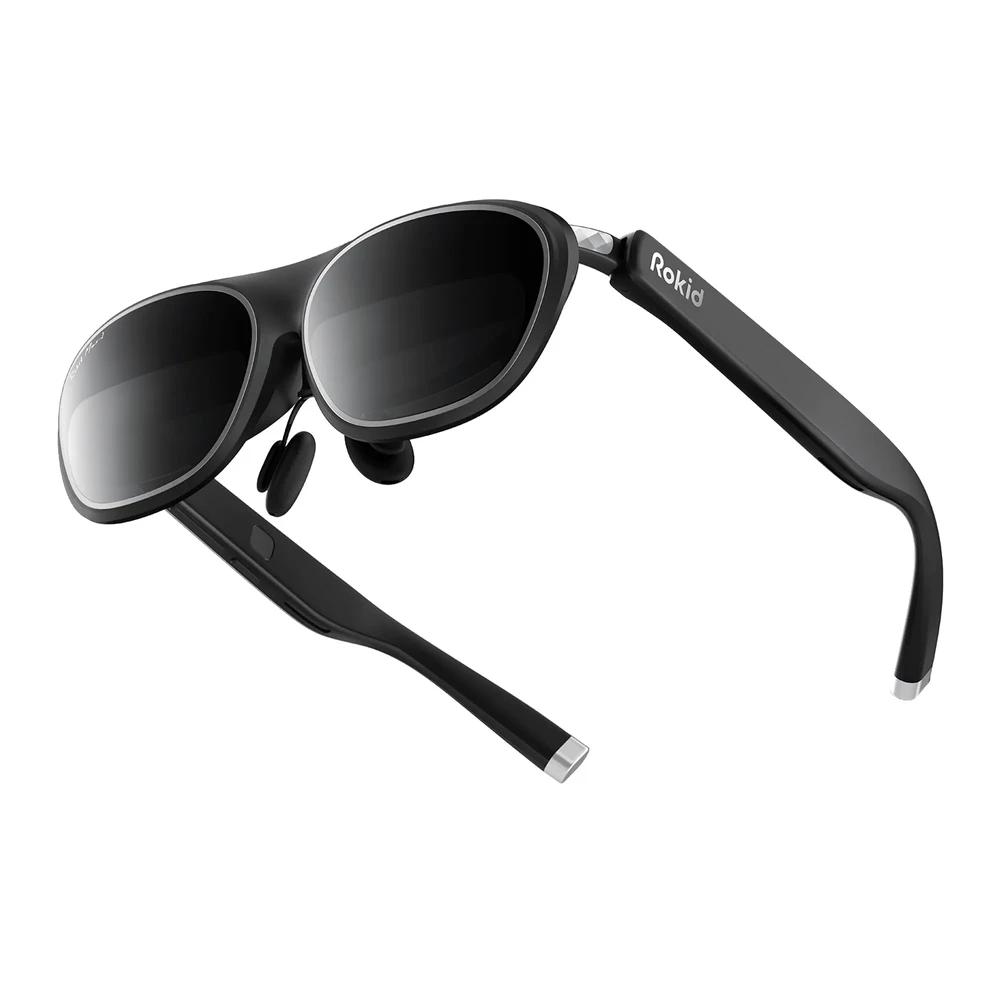
Rokid Max 2

Rokid

Rokid Max 2

$279 USD
9/10

Editorial score

Rokid Max 2 is a lightweight AR display glasses platform designed to turn compatible phones, computers and consoles into a private large screen. It features 1200p OLED displays, a 50° field of view, up to 120 Hz refresh rate and built-in myopia adjustment.

Display

1920 × 1200 per eye

Refresh Rate

Up to 120 Hz

Field of View

50°

Weight

To be verified

Read Review →

What are AR glasses?

AR and display glasses use miniature screens built into the eyewear to project digital content into your field of view. Many current models connect to a phone, computer, game console or other USB-C video source rather than operating completely independently.

Unlike camera-focused AI glasses, display glasses are primarily designed around visual experiences such as virtual screens, gaming, movies and productivity.

What to look for

Important AR glasses features

Display quality

Resolution, brightness, contrast and panel technology all affect how sharp and immersive the virtual screen looks.

Refresh rate

Higher refresh rates can make gaming, scrolling and motion feel smoother.

Field of view

A wider field of view can make the virtual display feel larger and more immersive.

Comfort

Weight, nose-pad design, lens options and overall balance matter when wearing glasses for extended sessions.

What can you use AR glasses for?

Gaming

Create a large virtual gaming screen without needing a traditional monitor or television.

Movies

Watch movies and shows on a large virtual display from almost anywhere.

Productivity

Use a portable virtual screen for laptops, handheld PCs and other compatible devices.

AR glasses vs AI glasses

FeatureAR GlassesAI Glasses
Built-in displayUsually yesUsually no
Main focusVisual experiences and virtual screensAI, camera, audio and hands-free interaction
GamingStrong use caseLimited
Hands-free AIVaries by modelCore feature

Not sure which glasses are right for you?

Answer a few questions about how you plan to use your glasses and we'll help narrow down the options.

Find Your Glasses →